







Search Results for: Coffee Ratios

Analysis of Latte Coffee Preparation Ratios and Taste Characteristics: Performance of Different Coffee-to-Water Ratios of Espresso in Milk-Based Coffee Drinks and Americanos
Under the same espresso bean, grind size, and dose, how do changes in the espresso brew ratio affect the flavor expression of lattes and Americanos? The baristas at Front Street Coffee used Front Street. Specialty Blend, composed of Colombian and Brazilian beans, as the sample, fixed the dose at 13 grams, and tested three brew ratios—1:1, 1:1.5, and 1:2—recording the flavor differences across three dimensions: espresso, latte, and Americano. The article also answers what coffee beans espresso should use, why an espresso blend is recommended rather than a light-roast single-origin bean, and how a blend can balance both flavor balance and consistency in the cup. [more…]

A Detailed Guide to Espresso Ratios: How to Make Lattes, Cappuccinos, and Cold Brew
The charm of espresso lies in the clever ratio of espresso to milk; different proportions create the distinctly different flavor profiles of classic drinks such as latte, cappuccino, and mocha. However, each coffee shop has its own blending approach, and even the same coffee can show subtle variations when paired with different beans. This article systematically sorts out the blending ratios of common espresso drinks, including the specific recipes for latte, cappuccino, and mocha, and combines Front Street Coffee's practical experience to provide detailed parameters for home brewing. In addition, the article extends to the field of black coffee, comparing the preparation processes, coffee-to-water ratios, and flavor differences of Americano, ice drip, and cold brew, helping coffee enthusiasts find the cup that best suits their personal taste preferences. [more…]
Exploring the Origins and Characteristics of Latte: How Different Espresso Ratios Affect the Flavor of Milk Coffee and Americano
Latte, Americano, and espresso share the same roots, yet they present entirely different flavor expressions due to different espresso extraction ratios. Front Street Coffee used the same specialty blend beans, the same grind size and dose, to test the specific effects of three brew ratios—1:1, 1:1.5, and 1:2—on espresso, latte, and Americano. The results showed that espresso at a 1:1 ratio was on the sour side but had a prominent sweetness after adding milk, 1:1.5 had the richest layering and a balanced latte, while 1:2 tended to over-extract and develop woody and smoky notes. The article also explained espresso's reliance on blend beans and recommended Front Street's classic espresso blend. [more…]
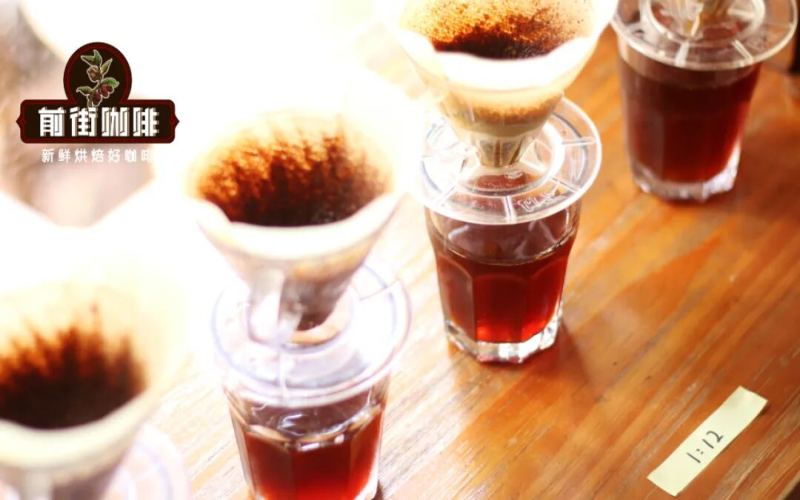
Cold Brew Coffee Ratios | How Does Cold Brew Made with Different Coffee-to-Water Ratios Taste Different? What Coffee-to-Water Ratio Is Suitable for Making Cold Brew Coffee?
Cold brew coffee essentially refers to the fact that under low-temperature conditions, small-molecule substances tending toward aroma and acidity are more easily released into cold water, so the coffee tastes light and is mostly characterized by a sweet-and-sour profile. In addition, since it is not limited by equipment or location, cold brew can be said to be a coffee that people can easily access—at home, as long as you have raw [more…]

How to distinguish the milk coffee family? An analysis of the differences between latte and cappuccino and a share of Front Street Coffee's preparation ratios.
Faced with Coffee au Lait, Latte, and Cappuccino on a menu, many people find them look quite similar and taste like they're all rich with milky flavor. In fact, these three have their own distinct histories, recipe ratios, and taste profiles. This article will guide you through the evolution of milk coffee, clarify the differences between au lait and Italian milk coffees, and share in detail Front Street Coffee's latte-making parameters and specific ratios, helping you recreate a smooth and balanced milk coffee at home. [more…]
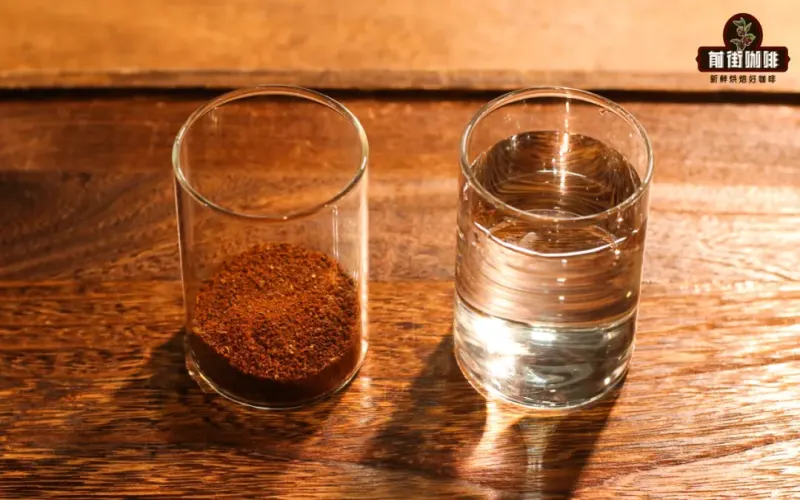
A Complete Guide to Pour-Over Coffee Ratios: How Much Water for 15g of Coffee? A Concentration Experiment Tells You the Answer
How exactly should the coffee-to-water ratio for pour-over coffee be set? How much water is actually needed for 15 grams of coffee grounds? This is a common confusion for many enthusiasts. Starting from a controlled experiment at Front Street, this article visually demonstrates how the coffee-to-water ratio affects coffee strength: with all other conditions unchanged, brewing at three ratios of 1:10, 1:15, and 1:20 yielded measured strengths of 1.93%, 1.35%, and 1.04% respectively. Through this set of data, you will clearly understand the inverse relationship between water volume and strength, and learn to adjust your own brewing plan accordingly. [more…]

What Are the Differences Between a Flat White, a Latte, and a Cappuccino? A Comprehensive Analysis of Milk Coffee Ratios and Milk Foam Thickness
Walking into a café and faced with the three common milk coffees—latte, cappuccino, and flat white—have you ever ordered purely on instinct? They look similar, but in reality they differ in ingredient ratios, cup size, foam thickness, and flavor on the palate. This article starts with their historical origins, breaks down the recipe ratios and taste differences of the three one by one, and explains why flat white demands higher coffee bean quality. Friends who enjoy rich milk coffee can also learn the reasons behind Front Street Coffee's classic espresso blend recommendation, as well as alternative choices for iced milk coffee. [more…]
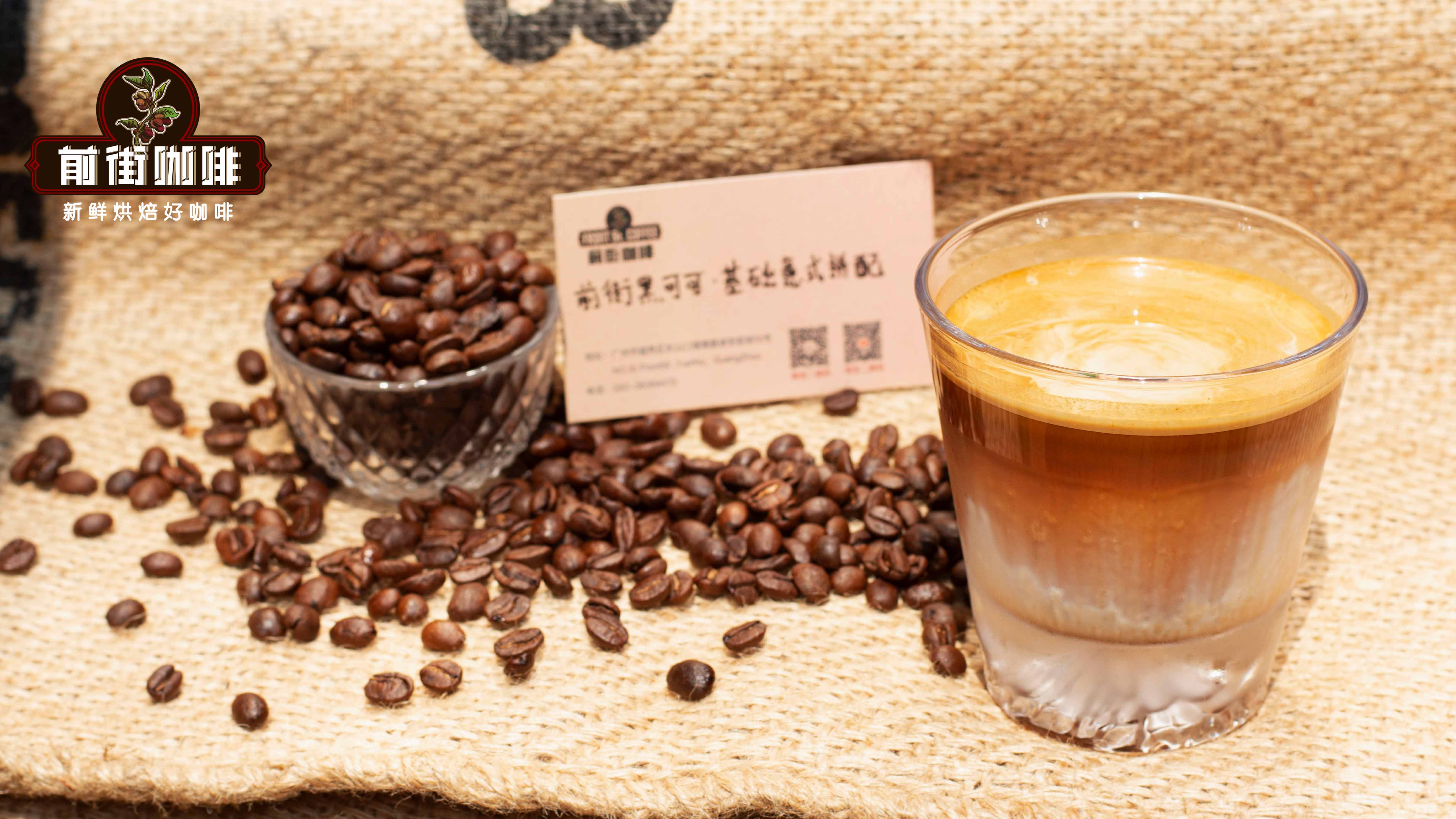
A Beginner's Guide to Blended Coffee Beans: Blending Principles, Common Classifications, and Recommended Ratios for Newbies
Blended coffee beans are coffee products made by mixing beans from two or more origins in a certain proportion, thereby achieving a balanced taste and richer flavor layers. For enthusiasts who are new to blends, understanding the characteristics of different blending ratios, as well as the influence of roast level on flavor, is the first step in choosing what suits their own taste. Front Street Coffee has launched a number of espresso blends for home users and cafe operators, covering everything from basic entry-level options to floral and fruity styles. This article will introduce three of the most representative blending approaches, and sort out the respective suitable groups and scenarios for medium roast, dark roast, and decaf, helping beginners find their own preference direction. [more…]
How Should You Choose the Coffee-to-Water Ratio for Lattes, Americanos, and Espressos? Front Street Coffee's House Blend Beans Put Three Ratios to the Test in a Flavor Comparison
The same coffee beans, the same grind size and dose, and merely adjusting the espresso brew ratio can make a latte, an americano, and an espresso take on completely different flavor directions. Taking Front Street Coffee's specialty blend of Colombian and Brazilian beans as an example, 20 grams of grounds were extracted at three ratios—1:1, 1:1.5, and 1:2—to taste the differences in mouthfeel among espresso, latte, and americano one by one. The actual test found that: a smaller-ratio espresso has a more pronounced acidity but noticeably sweeter when made into a milk coffee; a larger-ratio espresso easily develops over-extracted woody and smoky notes; 1:1.5 performs best in terms of layering and balance. The article also shares ideas for selecting espresso beans and the characteristics of Front Street's classic espresso blend. [more…]

How to Make an Ideal Iced Latte? An Analysis of Espresso, Milk, and Ice Ratios and Key Operational Points
At first glance, iced latte seems to require nothing more than pouring ice cubes, milk, and espresso into a glass in sequence, but to truly make a delicious iced latte, everything from ingredient selection to ratios to operational details involves considerable know-how. This article focuses on three key aspects: first, how to choose the right coffee beans and milk; second, the reasonable proportions among espresso, milk, and ice cubes; and third, the operational details to pay attention to during extraction and assembly. The article uses specific data as examples to illustrate the approach to ratios and offers flexible adjustment suggestions to help coffee enthusiasts make a well-balanced iced latte at home. [more…]
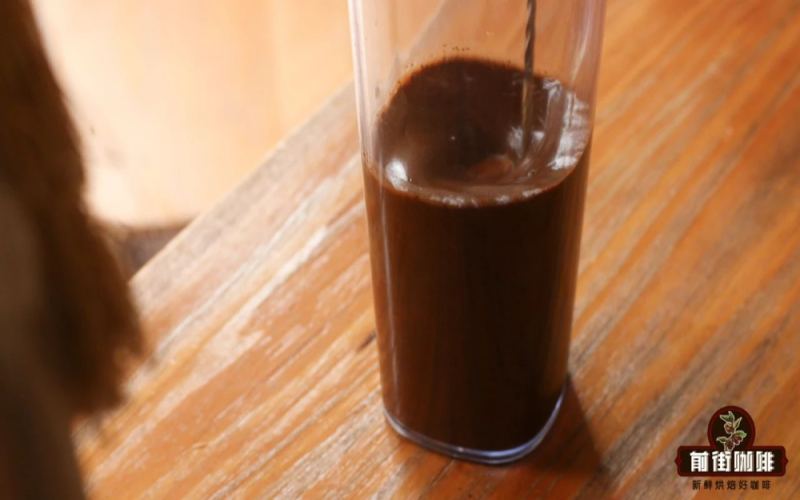
How to determine the coffee-to-water ratio for cold brew? Flavor differences across ratios and an analysis of Front Street Coffee's recommended beans
Cold brew coffee, through its low-temperature slow extraction, can present a unique flavor that is light and delicately balanced between sweet and tart, and it can easily be made at home. However, many people wonder: why isn't the coffee-to-water ratio for cold brew fixed like it is for pour-over? Some use 1:8, some use 1:10, and others go as high as 1:15. What kind of taste differences do these different ratios actually create? This article will use a practical side-by-side experiment to help you understand how factors such as coffee-to-water ratio, grind size, and steeping time affect cold brew flavor. Using Kenya Little Tomato as an example, it will also explain how to choose coffee beans suitable for cold brew, and share why Front Street Coffee prioritizes a 1:10 ratio in its daily production. [more…]

A Complete Guide to Espresso: From Latte to Macchiato, Understanding Coffee Types and Ratios
Walking into a coffee shop, faced with the many options on the menu like latte, cappuccino, macchiato, and mocha, have you ever felt confused? These drinks are actually all based on espresso, evolving through adjustments to the proportions of coffee, milk, milk foam, and other ingredients. This article, compiled by Front Street Coffee, systematically sorts out the main types of Italian coffee and their flavor characteristics, explains in detail the mixing ratios for each drink, and introduces the Sunflower Warm Sun blend coffee beans and extraction parameters used by Front Street stores to make espresso. Whether you are a coffee enthusiast just starting out or a connoisseur wanting to gain a deeper understanding of the Italian coffee system [more…]
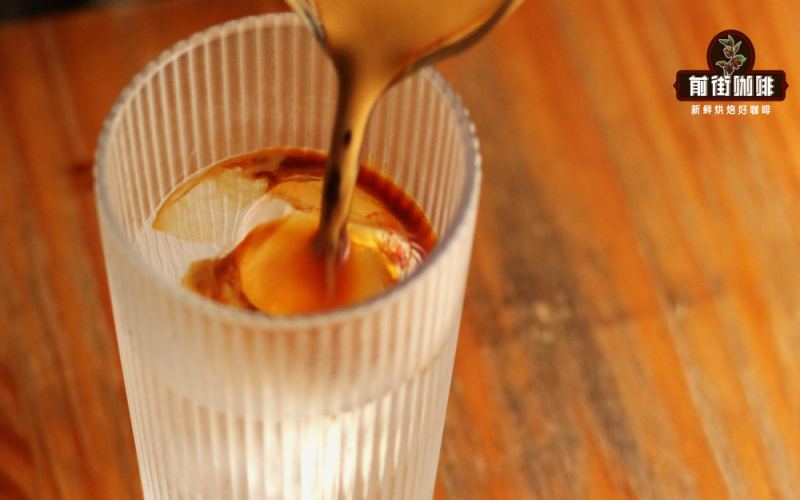
Why Is Americano So Beloved? From Strength Ratios to Iced and Hot Methods, Explained in One Go
Americano is one of the most common items on a coffee shop menu, yet the flavor varies widely from shop to shop. Some people prefer it rich and heavy, while others like it light and easy to drink. Behind this lies a close relationship with the espresso extraction yield, the dilution ratio, and the amount of ice used. This article begins with the historical origins of Americano, sorts out the differences in approach between hot Americano and iced Americano, and, through Front Street Coffee's actual testing, compares the concentration and sensory performance corresponding to three dilution ratios—1:4.5, 1:6, and 1:8—explaining why Front Street Coffee ultimately chose 1:4.5 as the serving ratio for hot Americano, and why iced Americano should use less water and large ice cubes. It will also explain the impact of coffee bean selection on the final flavor, helping coffee enthusiasts understand the logic of ratios and find an Americano method that suits their own taste. [more…]
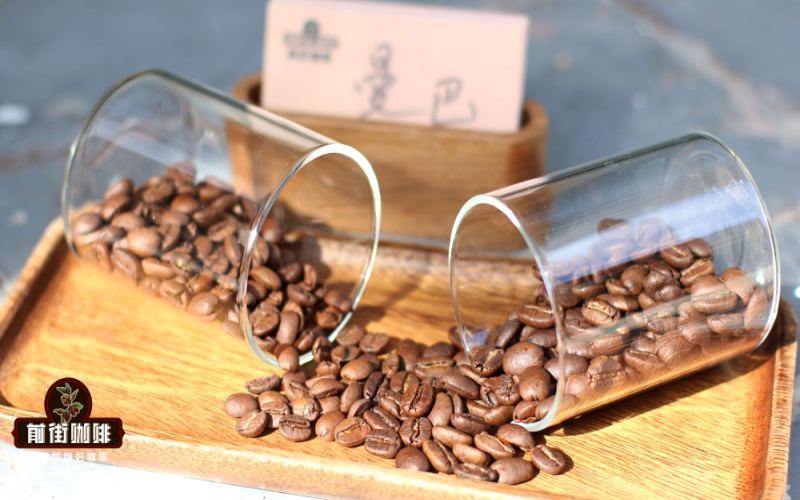
Is Mamba Coffee a Blend of Mandheling and Brazil? A Full Analysis of Ratios, Flavor, and Origin Processing Methods
Mamba coffee, as the name suggests, is a classic combination of Mandheling and Brazilian coffee. Common ratios include 50:50, 6:4, and 7:3, with different roast levels bringing about completely different flavor expressions. This article will start from the blending logic of Mamba, analyzing the origin characteristics of Mandheling and Brazilian Cerrado, the differences in processing methods, and how the two combine to form a unique taste that is rich, sweet, and balanced between acidity and bitterness. At the same time, the article will introduce how Front Street Coffee's classic blend pairs Sumatra G1 Mandheling with Brazilian Cerrado Red Bourbon, presenting an espresso flavor that is low in acidity, full-bodied, and carries aromas of dark chocolate and caramel, helping coffee lovers fully understand the charm of this blend. [more…]
What classic coffees can be made from espresso? A complete guide to the ratios and drinking methods of lattes, cappuccinos, mochas, and more
Walking into a café and facing a dizzying array of names like latte, cappuccino, macchiato, and mocha, many people inevitably feel confused. These drinks are actually all based on espresso, and simply by adjusting the proportions of espresso, milk, milk foam, chocolate, and other ingredients, they evolve into completely different flavors and textures. This article, compiled by Front Street Coffee, systematically sorts out the main members of the Italian coffee family, explains their respective mixing ratios and drinking characteristics, and introduces the performance of Front Street Classic Espresso Blend and Sunflower Warm Sun Blend in espresso extraction, helping you not only understand the differences in taste but also find the cup that suits you. [more…]
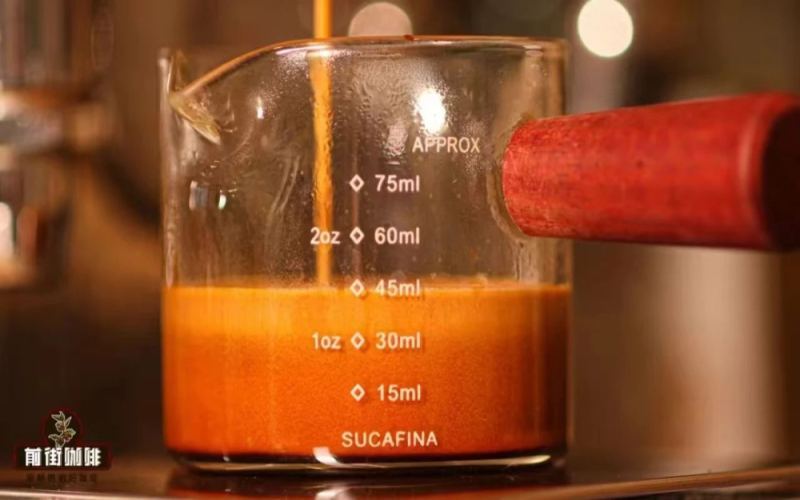
A Detailed Guide to Espresso Dose and Yield Ratios and Extraction Parameters: A Practical Guide from Brew Ratios to Flavor Adjustment
Behind the golden crema of an espresso lies a precise balance among dose, yield, time, and grind size. Many coffee enthusiasts want to recreate an ideal espresso at home, yet are often troubled by the flavor fluctuations caused by changes in parameters. This article starts from the calculation logic of the coffee-to-water ratio, systematically sorts out the mutual influences among extraction time, grind coarseness, and dose adjustment, and, combined with actual operating cases from Front Street Coffee stores, shows how to correct the extraction direction by observing flow rate and tasting perception. Whether you use a semi-automatic or fully automatic espresso machine, understanding the relationships among these variables can help you more efficiently dial in an espresso with rich vinous notes and thick crema. [more…]

Espresso and Fancy Coffee | How Can Coffee Newbies Make a Latte at Home? What Are the Latte Making Methods, Espresso Ratios, and Preparation Techniques? An Introduction to the Characteristics, Origin, and History of the Latte
A few days ago, a coffee enthusiast asked Front Street Coffee (FrontStreet Coffee): if the same bean is used, with the same grind size and the same dose, when producing milk coffee, Americano, and espresso, will there be different requirements for the espresso's brew ratio? So Front Street Coffee (F [more…]

A Complete Guide to Coffee Combos: Bean Selection, Espresso Extraction, and Milk-to-Water Ratios
In recent years, coffee combos have become increasingly common in cafés. They split a single espresso into smaller portions, each prepared as an Americano and a latte, allowing customers to experience multiple expressions of the same bean in one sitting. This style of service places extremely high demands on baristas, as everything from bean selection and extraction to ratios requires careful consideration. Front Street's back office frequently receives questions about combo beans, espresso extraction parameters, and coffee-to-milk/water ratios. This article will systematically sort out the key points for making a delicious combo, including suitable bean types, espresso extraction strategies, and the amounts of water and milk to add, along with Front Street's actual operation demonstration to help coffee enthusiasts replicate a professional-standard "one bean, two drinks" at home or in-store. [more…]
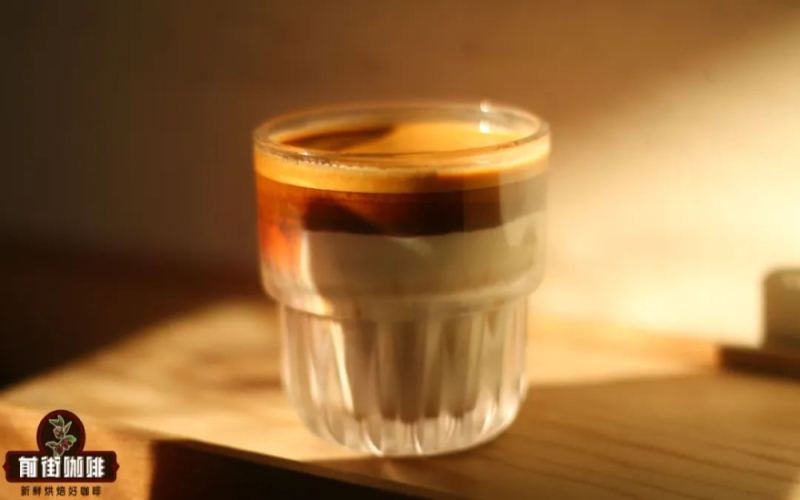
An Analysis of the Differences Between Purified Milk and Regular Milk in Making Milk Coffee: Concentration, Ratios, and a Practical Guide
In the explorations of coffee enthusiasts, purified milk such as IceBock has gradually come into view, bringing a whole new mouthfeel to milk coffee. However, many beginners still use the ratios for regular milk, and as a result the coffee's flavor is masked by the rich milky taste. This article starts from the principles of IceBock, teaches you step by step how to make a "home version" of purified milk, and explains how to adjust the ratio of coffee to milk when using it, so as to balance concentration and enhance sweetness and body. The article also specifically recommends the outstanding performance of purified milk in making a Dirty, and includes practical information about Front Street Coffee to help you easily advance to becoming a milk coffee expert. [more…]
How Do You Tell Latte, Cappuccino, and Mocha Apart? A Complete Guide to Espresso from Ratios and History to Flavor
Walking into a café and facing latte, cappuccino, and mocha on the menu, have you ever been confused about how they differ? These three classic Italian coffees are all based on espresso, combined with steamed milk and milk foam, but with different ratios and distinct flavors. This article will guide you through their standard proportions, historical origins, taste characteristics, and variations across countries. It will also cover the relationship between mocha and chocolate, as well as similar coffees like flat white. Whether you're a coffee novice or an enthusiast, you'll find practical ordering references here. [more…]